



SpinYoo lets you grab videos from YouTube, Facebook, Instagram, Twitter, and dozens of other sites in just a few clicks. It preserves the original resolution up to 4K and automatically pulls the best available quality without any extra settings.
Whether you need MP4, MP3, AVI, or MOV, SpinYoo processes files on its own servers so your device stays free. The conversion completes in seconds, and you can download the output instantly without waiting in a queue or signing up.
SpinYoo works entirely in your browser – no app installation, no account creation, and no hidden costs. Just paste a link, choose your format, and download. The simple layout works seamlessly on mobile, tablet, and desktop screens alike.
Head over to SpinYoo and sign up with your email or Google account. No credit card is required for the free tier. Once you confirm your email, you land on the dashboard where all AI tools are waiting. Log in anytime to pick up where you left off.
SpinYoo offers several writing modes: AI Writer for fresh content, Rewriter for paraphrasing, Summarizer for condensing long texts, and Grammar Checker for polishing. Click on the mode that matches your task. Each mode comes with a minimal interface so you stay focused.
Type your prompt or paste existing text into the input box. Adjust tone, length, or language if needed. Hit the “Generate” button and get results in seconds. You can edit the output directly, copy it, or regenerate for a different version. All history is saved in your account for later reference.
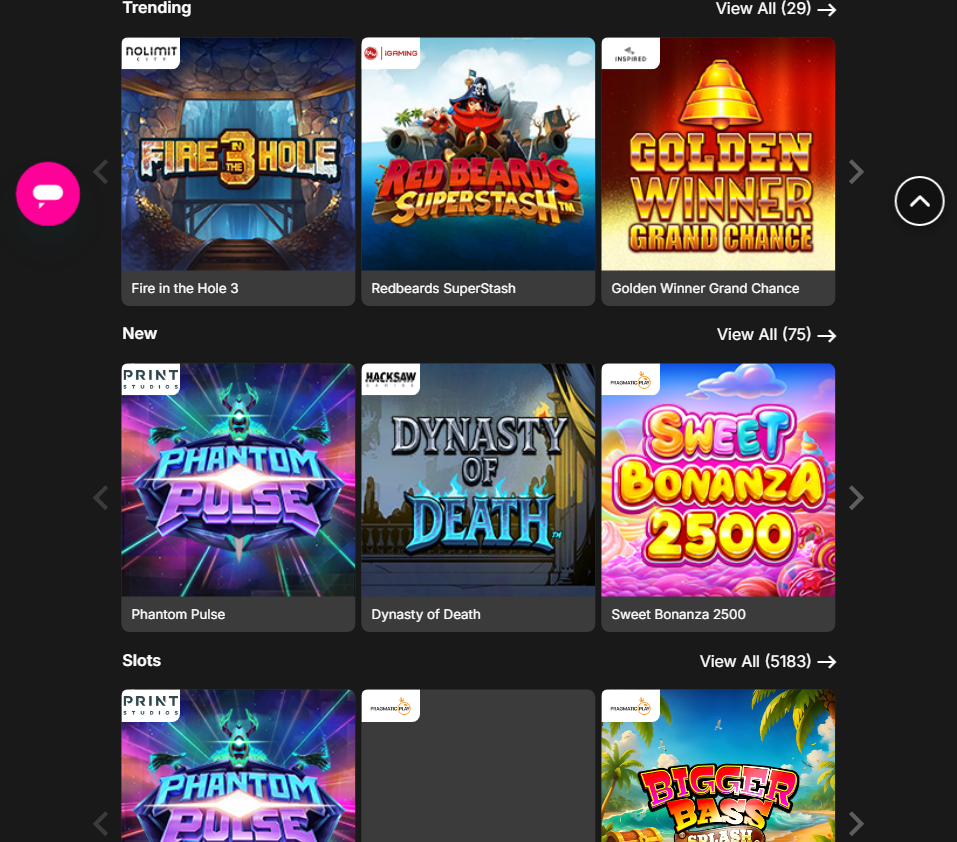
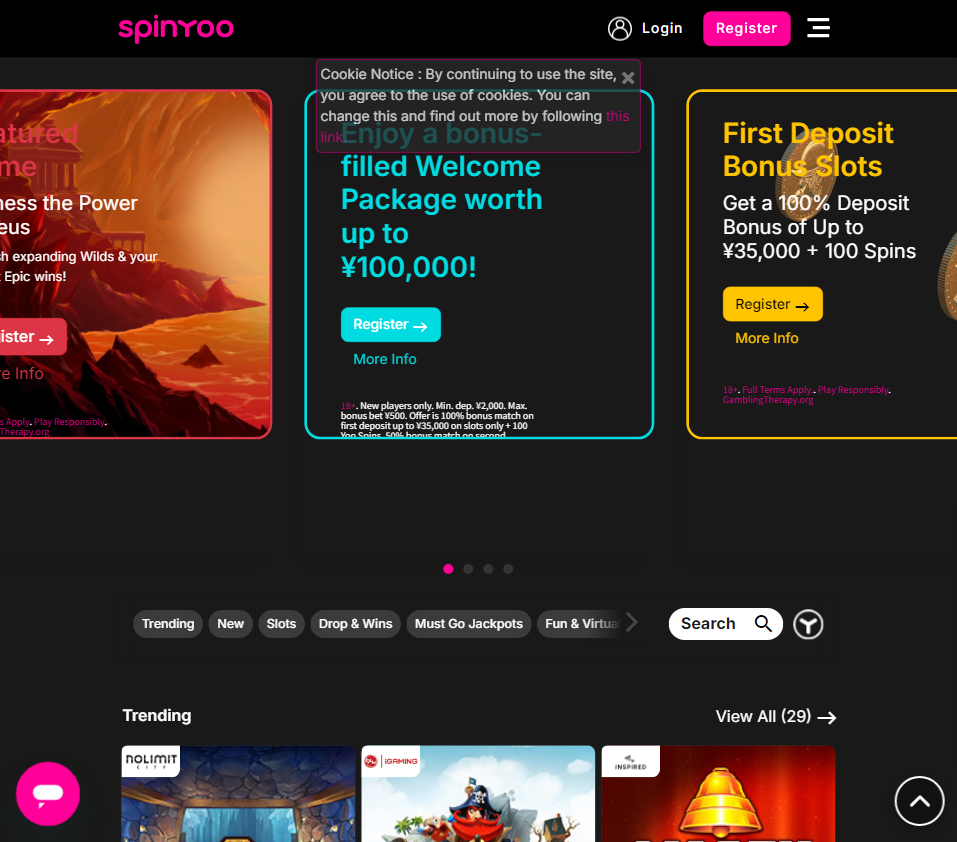
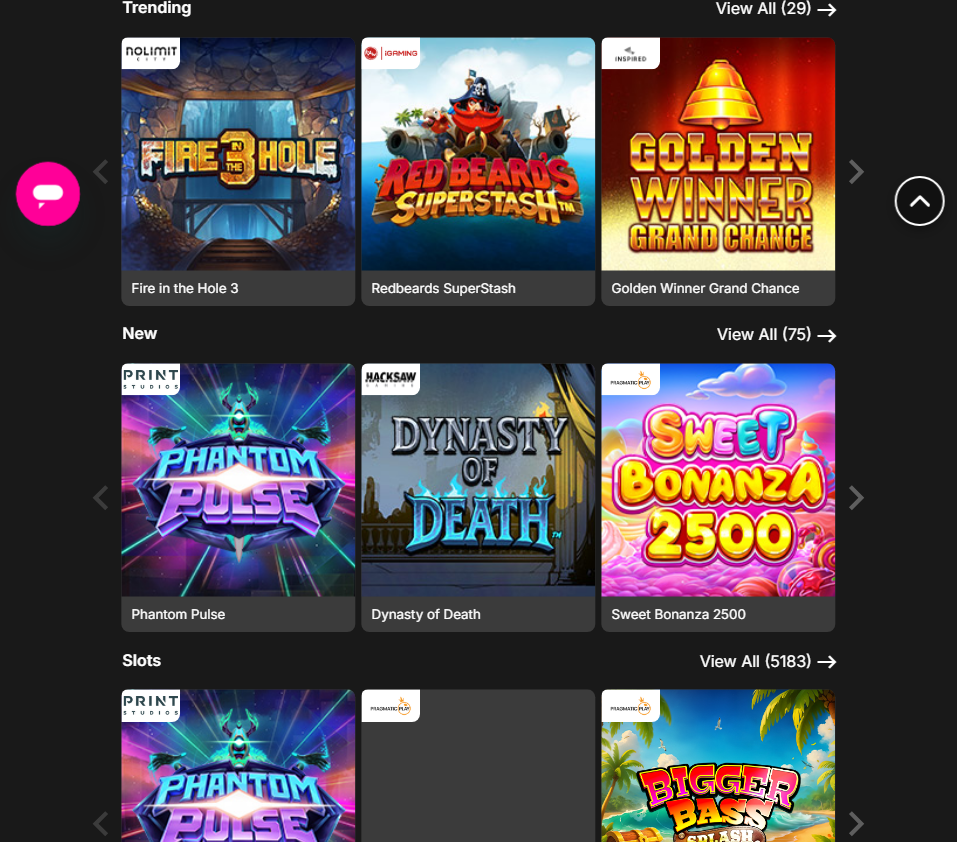
Discover hundreds of slots, daily promotions and live casino tables at SpinYoo. Fast payouts, mobile-ready play and big jackpots await.
What exactly is SpinYoo and how does it work?
SpinYoo is a decentralized domain name platform built on blockchain technology, allowing users to register and manage human-readable domain names that end in.yoo. Unlike traditional DNS domains, SpinYoo domains are minted as non-fungible tokens (NFTs) on a public blockchain, which gives you full ownership and control without relying on any central authority. The platform uses smart contracts to handle the registration, renewal, and transfer processes, ensuring that once you own a SpinYoo domain, no one can revoke it, censor it, or charge you recurring annual fees. You can link the domain to a cryptocurrency wallet address, a decentralized website (hosted on IPFS or similar networks), or even a payment gateway, making it a versatile tool for both personal and commercial use in the Web3 ecosystem.
How do I register a SpinYoo domain and what are the costs involved?
Registration is straightforward: start by visiting the official SpinYoo website, use the search bar to check the availability of the name you want, then connect a compatible wallet like MetaMask, WalletConnect, or any Web3 wallet. Once you confirm the desired domain and the registration period (typically one year, though you can extend up to several years), you pay a one-time minting fee plus a network gas fee. The minting fee is fixed per domain length—shorter names cost more due to demand, while longer ones are cheaper. There are no hidden recurring fees: after the initial mint, you only pay gas for any future modifications or transfers. All payments are made in ETH or the network’s native token (depending on which blockchain SpinYoo is deployed on). The platform currently supports Ethereum mainnet and Polygon for lower gas costs.
What can I actually do with a SpinYoo domain after I own it?
Your SpinYoo domain serves as a unified identifier across multiple decentralized applications. The most common use is replacing long cryptocurrency wallet addresses with a simple name like yourname.yoo, which works with any wallet that supports the Ethereum Name Service (ENS) or the SpinYoo resolver. You can also point the domain to a decentralized website hosted on IPFS, allowing anyone to access your content through a browser that supports DNS-over-blockchain (e.g., Brave, Opera, or with a browser extension). Additionally, the domain can store custom records such as your email address, social media handles, or even a profile avatar, making it a complete digital identity. For businesses, SpinYoo domains can be used to accept payments, create a decentralized landing page, or serve as a tamper-proof link to your brand.
Is my SpinYoo domain truly ownership-based and can it be transferred or sold?
Yes, full sovereignty rests with the private key holder of the wallet that minted the domain. Since each domain is an NFT (ERC-721 token), you can transfer it to any other Ethereum-compatible wallet just by sending the token. There are no intermediaries, no approval processes, and no central authority that can reverse the transfer. You can also list your SpinYoo domain on NFT marketplaces like OpenSea or Rarible, where others can bid on it or buy it instantly. The sale is peer-to-peer, and once the transaction confirms on-chain, the new owner gains complete control. Just remember to never share your wallet’s private key or seed phrase—whoever holds them owns the domain.
What happens to my domain after the initial registration period expires? Do I lose it?
SpinYoo uses a renewable model to prevent domain squatting while still giving you long-term security. After your initial registration term (e.g., one year) ends, you have a grace period—usually 90 days—during which you can renew the domain at the same rate plus any network gas fees. If you don’t renew within the grace period, the domain enters a public auction phase where anyone can bid on it. The original owner retains the ability to reclaim it during that auction by paying a premium, but after the auction concludes unsold, the domain becomes available for first-come-first-served registration. To avoid losing your domain, SpinYoo recommends enabling automatic renewal through your wallet or setting a calendar reminder. The team is also working on a built-in renewal dashboard that sends notifications.
Which blockchains does SpinYoo support, and are there any cross-chain features?
Currently, SpinYoo operates primarily on the Ethereum mainnet and Polygon (Matic) to balance security with cost efficiency. Domains minted on Polygon incur near-zero gas fees, making them ideal for high-volume use cases, while Ethereum mainnet offers maximum compatibility with the broader DeFi and NFT ecosystem. The platform has announced plans for cross-chain interoperability via a bridge mechanism, allowing you to move your domain between supported chains without losing its content or configuration. For instance, you could mint on Polygon for low fees, then bridge to Ethereum if you want to sell or use it in an Ethereum-only dApp. The team is also exploring Layer 2 solutions like Arbitrum and Optimism to further reduce costs while maintaining security.
Is there any risk of my SpinYoo domain being hacked, taken down, or censored?
Because SpinYoo domains are stored on a decentralized blockchain, they are virtually immune to traditional forms of censorship, server takedowns, or domain seizures by governments or corporations. No single entity can modify or delete your domain record without your private key. However, the security of your domain ultimately depends on how well you protect your wallet. The biggest risks are phishing attacks, lost seed phrases, or smart contract vulnerabilities. SpinYoo’s smart contracts have been audited by a third-party firm (the audit report is available on the website), and the team follows best practices like multi-signature ownership for the registry contract. If you use a hardware wallet and never interact with suspicious links, your domain should remain safe. Also note that the DNS integration—if you point your domain to a traditional website—may still be subject to internet infrastructure issues, but the blockchain record itself persists.
Can I use my SpinYoo domain with regular web browsers and email services right now?
Yes, but with some caveats. For web browsing, you need a browser that supports blockchain DNS resolution. Brave browser has built-in ENS support, and you can also install browser extensions like MetaMask’s “Phish Detect” or the “ENS Vision” extension to resolve.yoo domains on Chrome, Firefox, or Edge. For email, SpinYoo leverages the “ccTLD” functionality: you can set email forwarding records (like a traditional email forwarder) so that emails sent to [email protected] are redirected to your existing Gmail or Outlook inbox. Several email providers and decentralized email services (e.g., EtherMail, Dmail) already accept.yoo addresses. The platform is also working on native email hosting that doesn’t rely on any centralized SMTP server, but that feature is still in beta.
What distinguishes SpinYoo from other decentralized domain services like ENS or Unstoppable Domains?
SpinYoo differentiates itself through a combination of lower entry costs, user-friendly tooling, and a strong emphasis on the.yoo top-level domain (TLD). Unlike ENS, which charges annual rental fees for.eth domains, SpinYoo uses a one-time mint model with no recurring charges beyond optional renewals. Compared to Unstoppable Domains, which requires a separate browser extension for resolution on some browsers, SpinYoo’s resolver integrates more seamlessly with existing Web3 infrastructure and supports multi-chain out of the box. Additionally, SpinYoo offers a built-in “Web3 Dashboard” where you can manage all your records (crypto addresses, social links, website IPFS hash) from a single interface without touching code. The team also provides a no-code decentralized website builder that lets you create a professional landing page directly from your domain management panel, which is a feature not commonly offered by competitors.
I’m a developer—are there APIs or SDKs available to integrate SpinYoo into my dApp or service?
Absolutely. SpinYoo provides a comprehensive developer toolkit including a REST API for querying domain resolution, a JavaScript SDK for frontend integration, and a smart contract interface for direct on-chain interactions. The API supports looking up any.yoo domain’s records, checking availability, and even triggering registration flows programmatically. The SDK is documented with examples for React, Node.js, and Python, and it handles wallet connection, signing, and transaction delegation. For advanced use cases, you can import the SpinYoo resolver contract address and call standard ENS-like methods (e.g., `addr`, `text`, `contenthash`). There’s also a testnet faucet and a separate sandbox environment for you to experiment without spending real funds. The official documentation at docs.spinyoo.com covers everything from basic record setting to custom subdomain management.
 English
 Français
 Deutsch
 Español
 Italiano
 Português